
Pentagon continues to ‘struggle’ with key weapons development timelines: GAO
The watchdog's annual weapons systems assessment revealed new details about high-profile programs, from Air Force One to Army missiles.
The watchdog's annual weapons systems assessment revealed new details about high-profile programs, from Air Force One to Army missiles.

Major workforce reductions at DOT&E have led to "action officers" being assigned more programs, programs in warfare areas for which they lack expertise, or both, GAO said.


Models that replicate real-world physics streamline design, testing and iteration processes.

Maj. Gen. Stephen Purdy walked through activities to flesh out former space acquisition czar Frank Calvelli's "nine space acquisition tenets" that showcased how the Space Force is positioned to meet expected guidance from new Secretary of Defense Pete Hegseth for accelerating weapons system development.

The Defense Business Board study, however, recommends against folding the NRO and MDA into the Space Force.
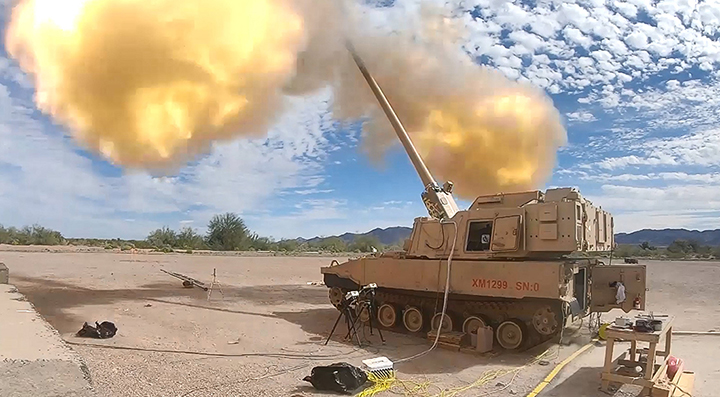
The Army decided to transition ERCA after DoD denied providing the service with a wavier to keep the program under the rapid prototyping umbrella, GAO said.
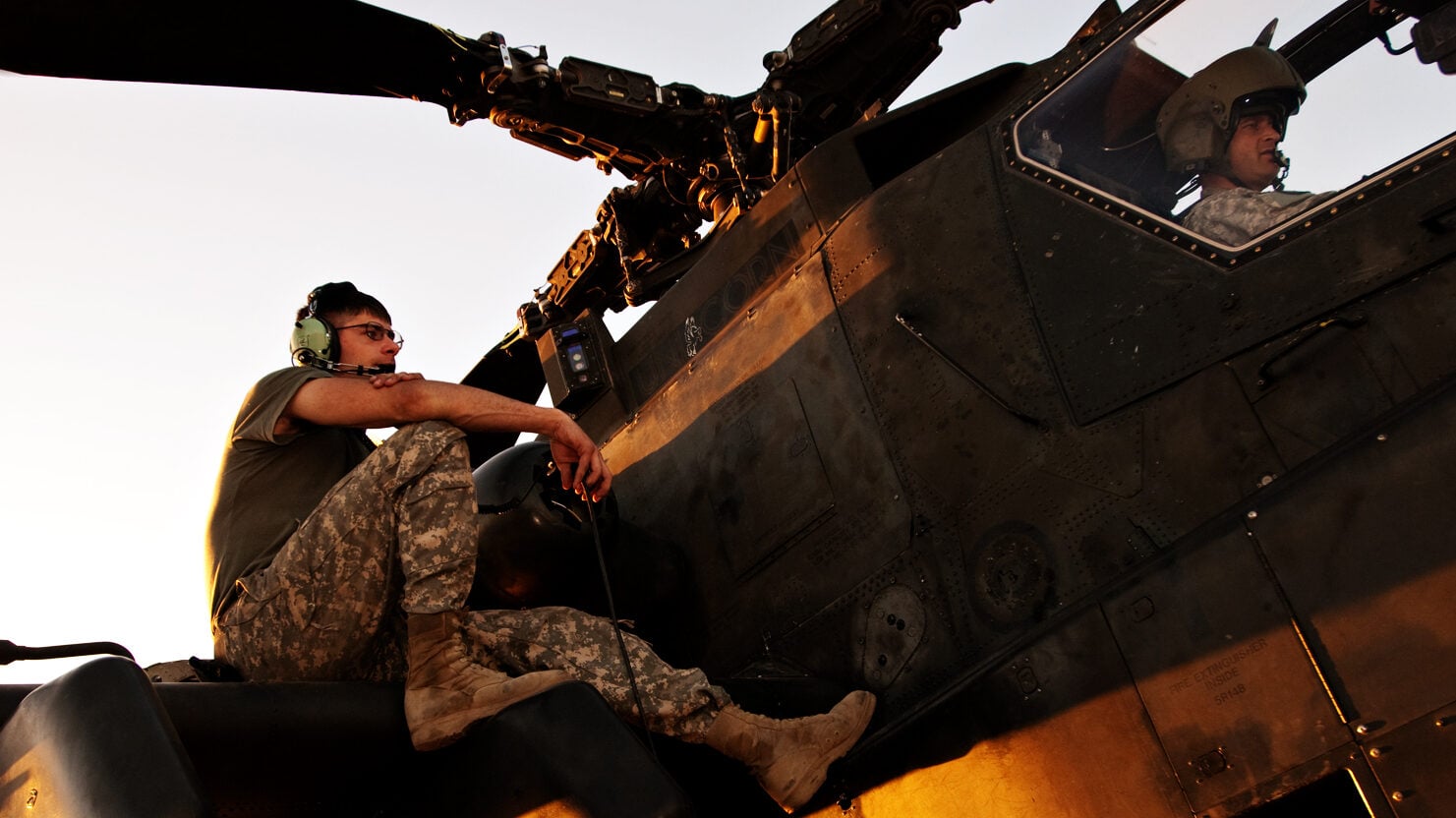
Assistant Secretary Doug Bush defended the controversial Middle-Tier Acquisition process and said he wanted to use the streamlined Software Pathway more, arguing speed is life on constantly evolving battlefields.

From AI adoption and agentic systems to Zero Trust and cyber resilience, Breaking Defense’s latest eBook brings together key reporting from DoDIIS 2026 on the technologies and strategies shaping the future of defense intelligence.
The watchdog report in particular hones in on concerns about a lack of transparency in service and Pentagon component MTA programs.
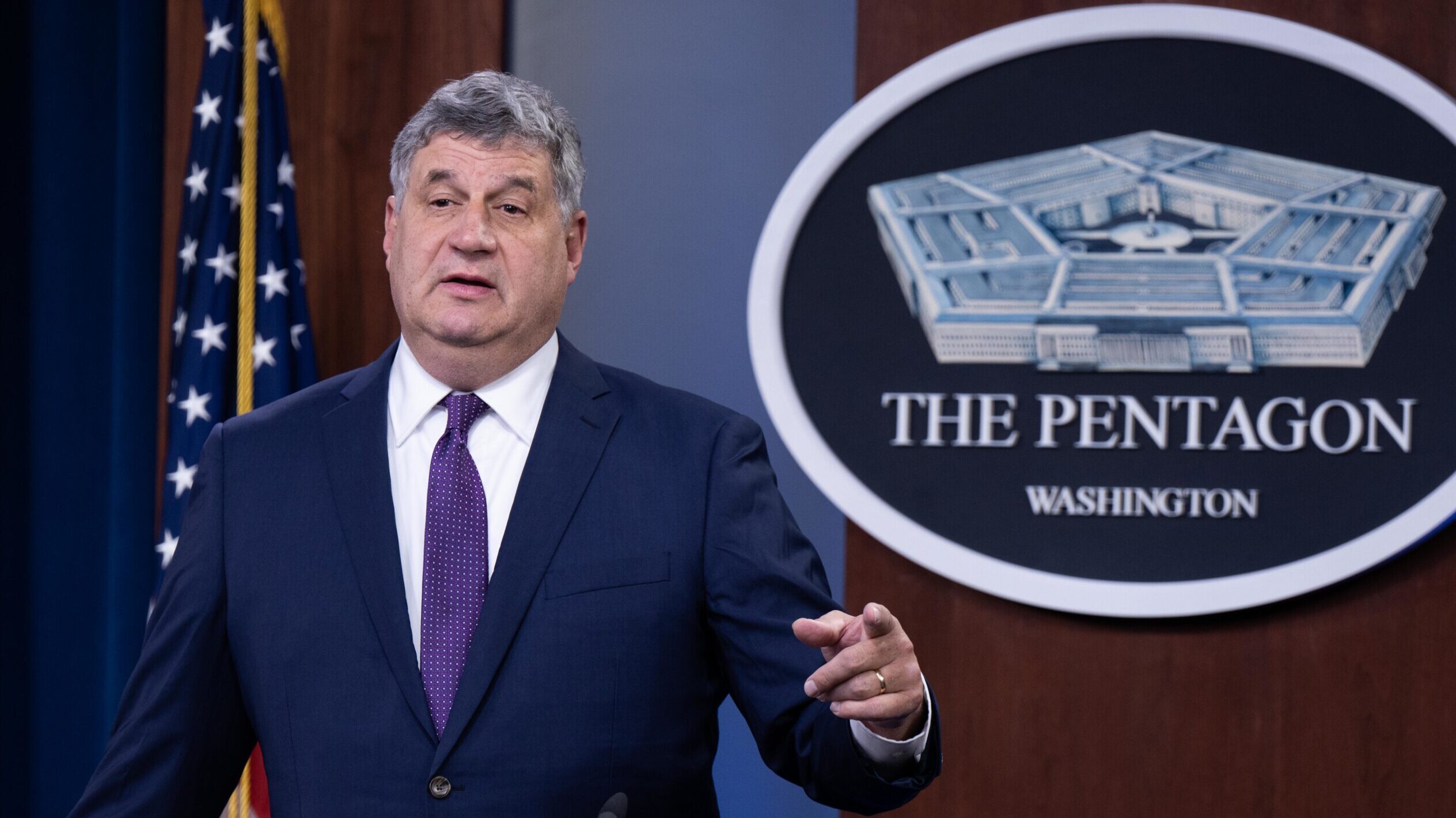
While lawmakers worry over lack of oversight, MITRE's Pete Modigliani tells Breaking Defense, "The Middle Tier of Acquisition pathway is one of DoD’s most valuable tools to rapidly deliver capabilities ... to deter China’s threat."

An audit by the DoD Inspector General found that while federal law "allows for one of 4 conditions for a prototype OT award," Pentagon rules contain "no requirement to validate that the contractor met those conditions," an OIG spokesperson told Breaking Defense.

“You always have to be careful when we streamline a process,” David Norquist, recently installed as president and CEO of the National Defense Industrial Association, told Breaking Defense.


Dwindling stockpiles and lessons learned from Ukraine and Iran are driving urgent needs for revamping manufacturing.

When it comes to MTAs, Eric Lofgren, a defense acquisition specialist at George Mason University, told Breaking Defense that "GAO and OSD seem to be struggling with how to baseline and conduct oversight of these programs."

“These efforts are not about creating physical traits that don't already exist naturally. This is about enhancing the mission readiness of our forces by improving performance characteristics that typically decline with age," Cmdr. Tim Hawkins, SOCOM spokesperson, said.

After rejecting prototype vehicles built at industry’s expense, the Army is starting over with a competition for low-cost ‘digital prototypes.’ When will they physically build something? TBD.

The Pentagon’s top buyer, Ellen Lord, is rewriting regulations from a one-size-fits-all approach to let officials pick the best procurement pathway for their particular program.